Certified Professional Coder(CPC): A Complete Guide for Lifescience Students
If you come from a life sciences background—like BSc Biotechnology, Microbiology, Nursing, Pharmacy, or any allied health science—you’ve probably heard about the Certified Professional Coder (CPC) certification. Many students are told it’s a great career option. But what exactly is CPC? And how does it connect to medical coding?
The truth is, most life science graduates don’t have proper clarity about medical coding systems like ICD-10-CM, CPT, or HCPCS. They also don’t fully understand what the CPC exam expects. This confusion often leads to hesitation, missed opportunities, or choosing the wrong training.
In this article, we’ll break everything down in simple terms—what a certified professional coder does, why CPC is valuable, what you need to learn, and how proper training from a medical coding training institute can make all the difference.
Let’s get started.
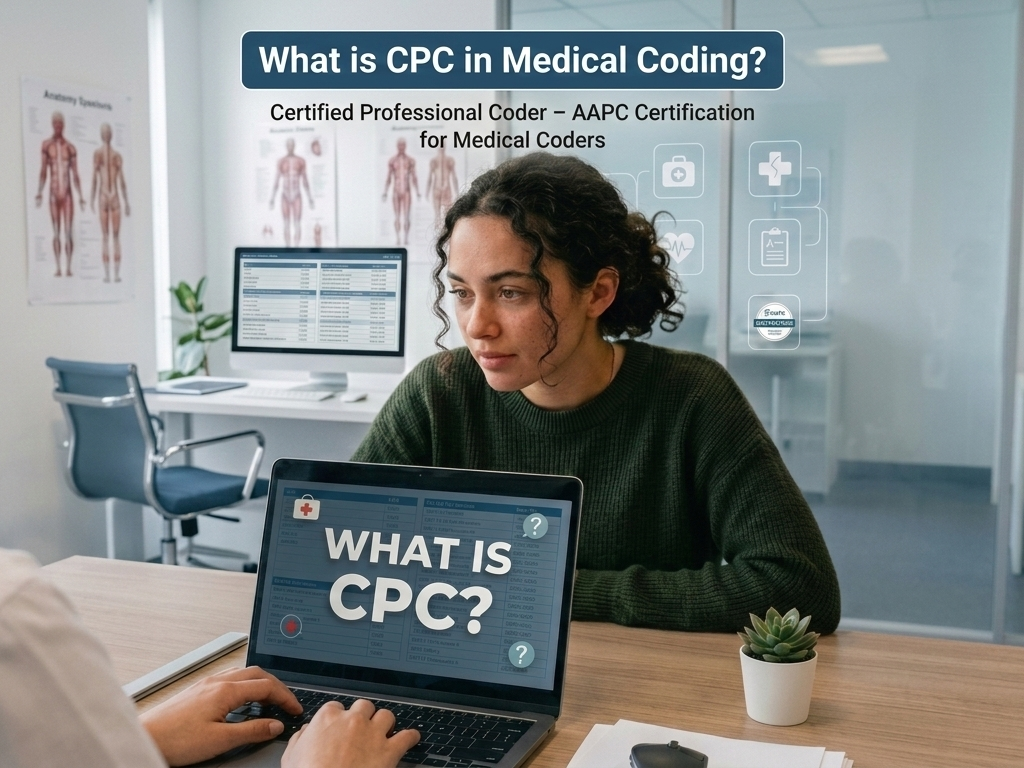
What Is a Certified Professional Coder (CPC)?
A Certified Professional Coder (CPC) is a globally recognized credential offered by the American Academy of Professional Coders (AAPC). It validates your expertise in medical coding for physician-based services.
In simple words, a CPC professional:
- Reads medical records
- Converts diagnoses into standardized codes (ICD-10-CM)
- Assigns procedure codes (CPT)
- Uses HCPCS codes for services and supplies
- Ensures claims are accurate for insurance billing
Hospitals, clinics, insurance companies, and healthcare BPOs hire CPC-certified professionals to ensure proper documentation and reimbursement.
If you’re from a life sciences background, your knowledge of anatomy, physiology, and diseases already gives you a strong foundation.
Why Lifescience Students Struggle with CPC Initially
Let’s be honest. Most life science students are experts in theory—but medical coding is a practical, application-based field.
Here are common challenges students face:
- No exposure to ICD-10-CM coding guidelines
- Confusion between CPT and HCPCS codes
- Difficulty understanding medical documentation
- Fear of CPC exam pattern and time management
- Lack of proper mentorship
For example, you may know what diabetes is from a clinical perspective. But coding requires you to identify the exact type, complications, and documentation to assign the correct ICD-10-CM code.
That’s a different skill altogether.
What Does the CPC Exam Cover?
To become a certified professional coder, you must clear the CPC exam conducted by AAPC.
The exam tests your knowledge in:
• Medical terminology
• Anatomy and physiology
• ICD-10-CM coding
• CPT coding
• HCPCS Level II
• Coding guidelines and compliance
• Insurance and reimbursement methodologies
It’s not just about memorizing codes. It’s about applying guidelines correctly in real-world scenarios.
For example:
• Selecting the correct CPT code for a minor surgical procedure
• Coding chronic conditions using ICD-10-CM rules
• Understanding bundling and modifier usage
Without structured training, it can feel overwhelming.
Key Coding Systems You Must Master
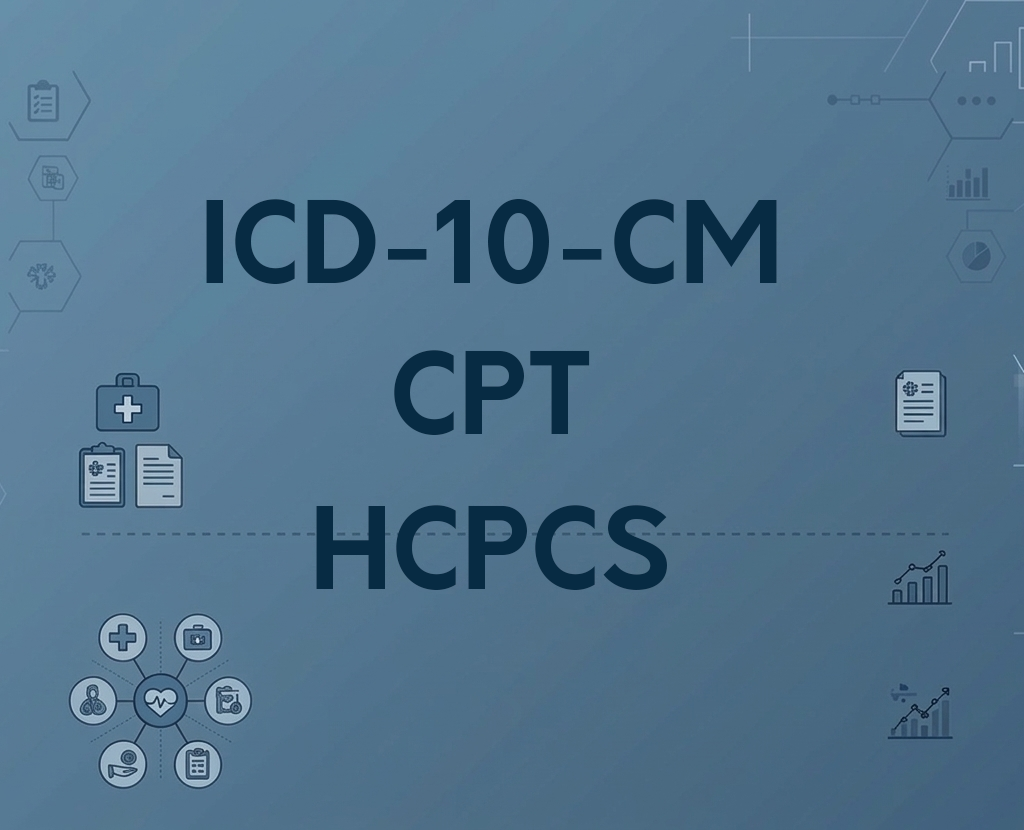
To succeed as a certified professional coder, you must understand these core modules:
ICD-10-CM
Used to code diagnoses.
Example: Coding hypertension or asthma with specificity.
CPT (Current Procedural Terminology)
Used to code medical procedures and services provided by physicians.
HCPCS (Healthcare Common Procedure Coding System)
Used for billing medical equipment, ambulance services, and certain medications.
A good medical coding training institute ensures you practice real case scenarios using all three systems together—not separately.
Career Scope After Becoming a Certified Professional Coder
One of the biggest reasons life science students choose CPC is career stability.
After certification, you can work as:
- Medical coder
- Coding auditor
- Risk adjustment coder (HCC coding)
- Medical billing specialist
- Compliance officer
You can work in:
- Hospitals
- Medical coding companies
- Insurance firms
- Healthcare IT companies
With experience, salary and opportunities increase significantly.
How Proper Training Makes the Difference
Self-study is possible—but structured guidance speeds up success.
A professional medical coding training institute helps you:
- Understand AAPC exam pattern clearly
- Practice with real-time case studies
- Learn coding guidelines step-by-step
- Improve speed and accuracy
- Prepare with mock exams
For life science students, mentorship is especially important because coding requires a shift from academic theory to industry applications.
What to Look for in a Medical Coding Training Institute
Before joining any institute, check these points:
- Trainers certified by AAPC or AHIMA
- Coverage of CPC, CCS, CRC certifications
- Modules including ICD-10-CM, CPT, HCPCS, and HCC
- Mock tests and exam-oriented preparation
- Placement guidance
At ICODE Medical Coding, the focus is on making complex topics simple and practical for life science graduates.
Courses include:
- Medical Coding
- CPC (Certified Professional Coder)
- CCS (Certified Coding Specialist)
- CRC (Certified Risk Adjustment Coder)
- CAIMC
Training aligns with AAPC and AHIMA standards, ensuring students are industry-ready.
Practical Tips to Crack the CPC Exam
Here are some useful strategies:
- Focus on Guidelines First
Before jumping into coding practice, master the official coding guidelines.
- Practice Daily
Coding is a skill. The more cases you solve, the better you become.
- Time Management
The CPC exam is time-bound. Practice solving cases within time limits.
- Learn Modifiers Properly
Modifiers in CPT can change reimbursement. Understand them clearly.
- Take Mock Tests
Simulated exams build confidence and reduce anxiety.
Is CPC the Right Choice for You?
If you are:
- From a lifescience background
- Interested in non-clinical healthcare careers
- Looking for stable job opportunities
- Comfortable working with medical documentation
Then becoming a certified professional coder can be a smart decision.
It combines your medical knowledge with analytical skills and offers global recognition.
Final Thoughts
For many life science students, confusion—not capability—is the real problem. You already understand diseases, anatomy, and treatment processes. What you need is proper guidance on how to convert that knowledge into medical codes.
Becoming a certified professional coder opens doors to a stable and respected career in healthcare. With structured learning, hands-on practice, and the right mentorship, cracking the CPC exam becomes achievable.
If you’re serious about starting your journey, explore structured training programs at a trusted medical coding training institute like ICODE. The right support can transform your academic knowledge into a successful professional career.